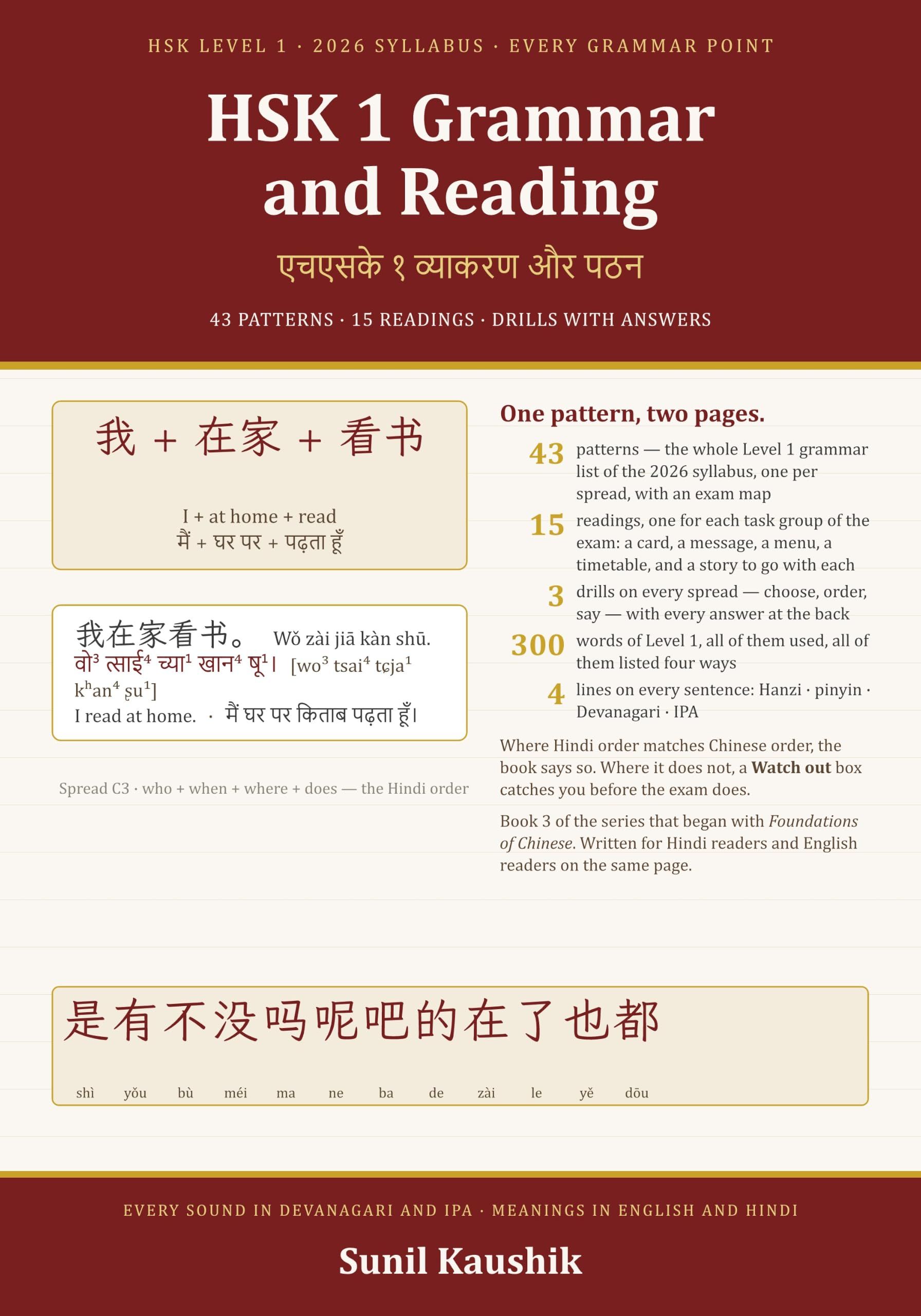
HSK 1
HSK 1 Grammar and Reading
Chinese has very few rules. Here are all of them for HSK Level 1.
Paperback · Kindle eBook
Polyglot author · 30+ languages
I write practical, learner-first workbooks for the languages of Asia. No academic clutter: one character at a time, real sentences, every answer in the book.
Pick the language you are learning. Each shelf is laid out in the order you should read it.
13 books
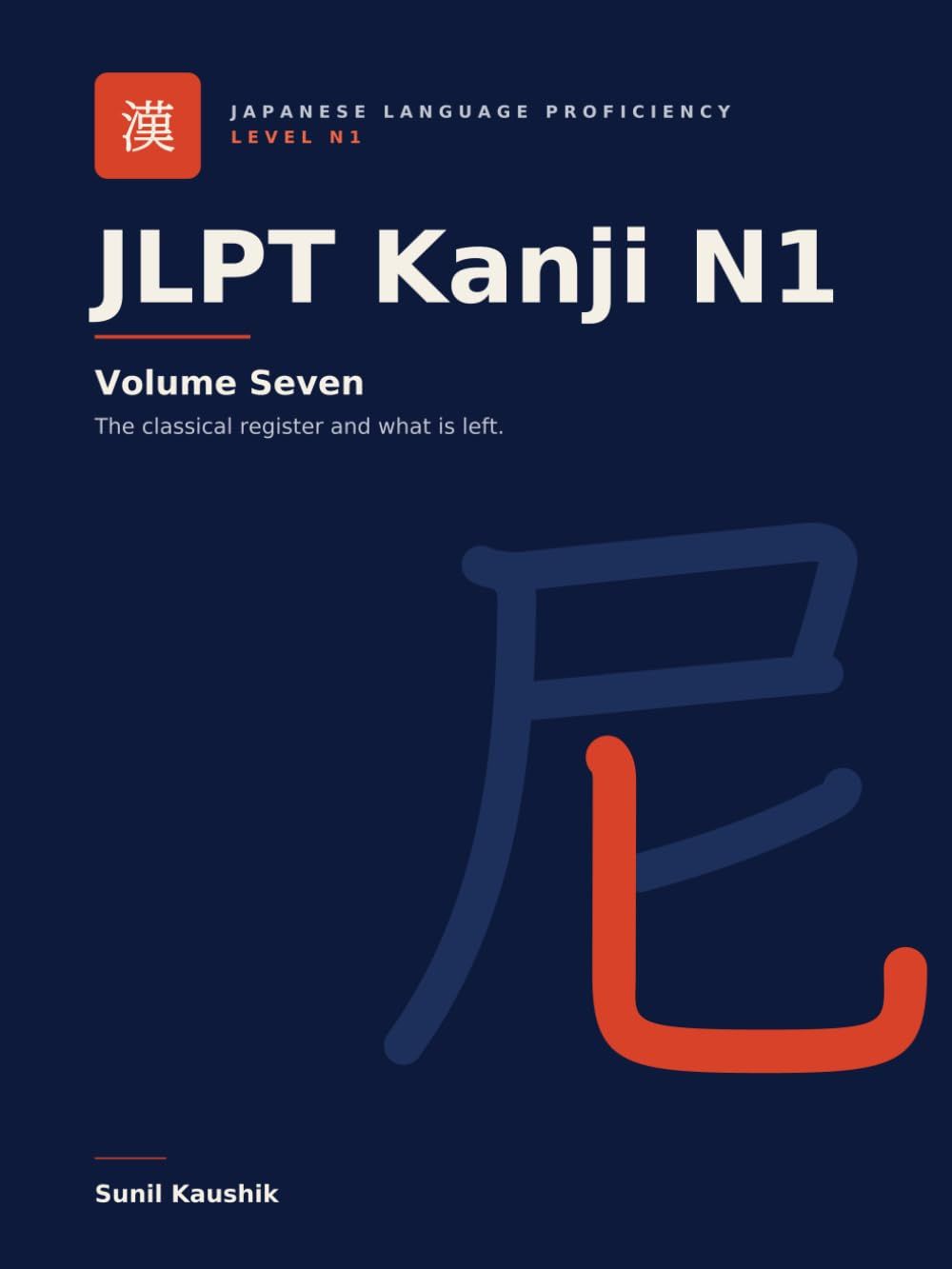
All 92 kana, then 2,250 JLPT kanji from N5 to N1 — 13 books in all. Stroke order, readings you can hear, furigana and romaji on every line.
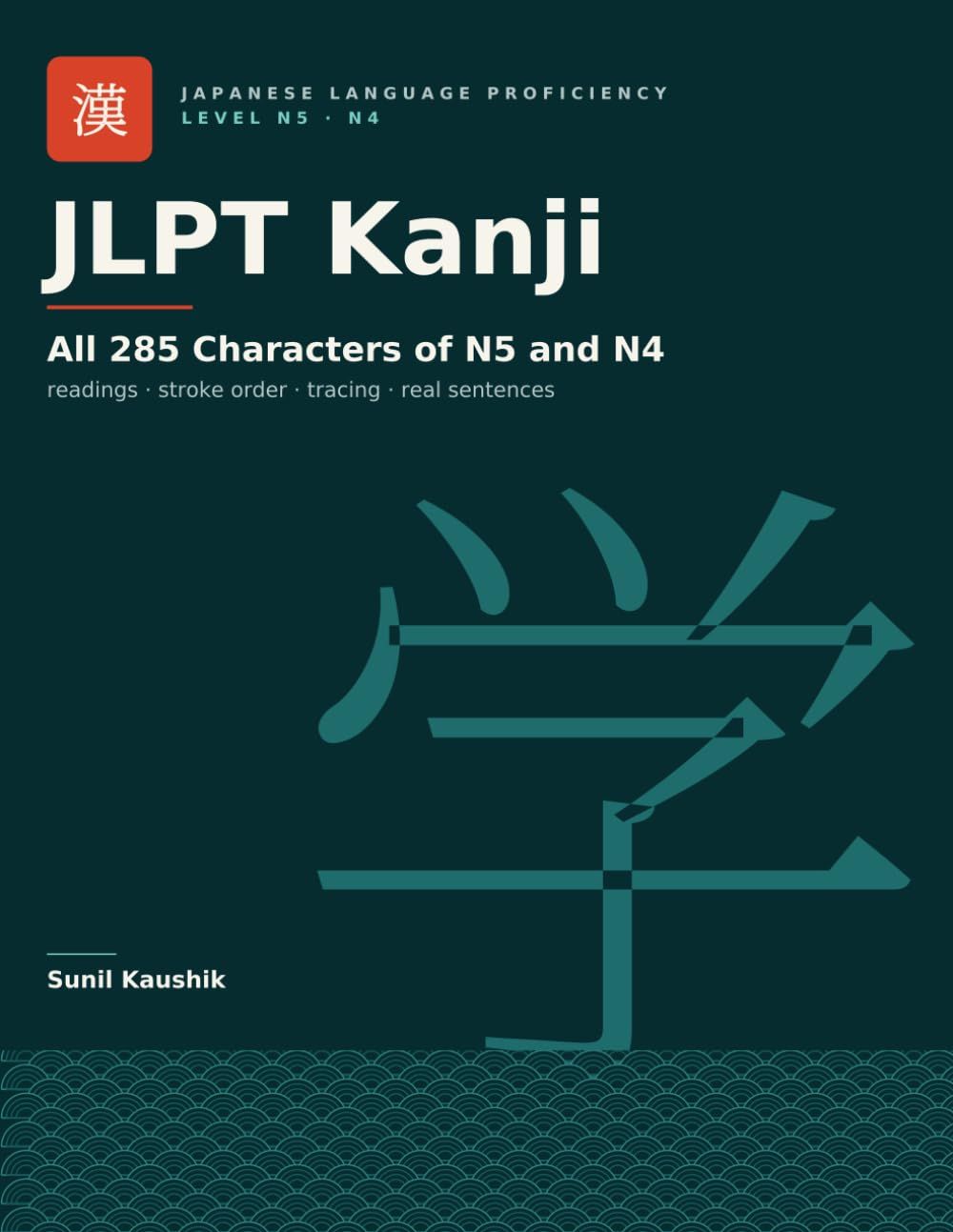
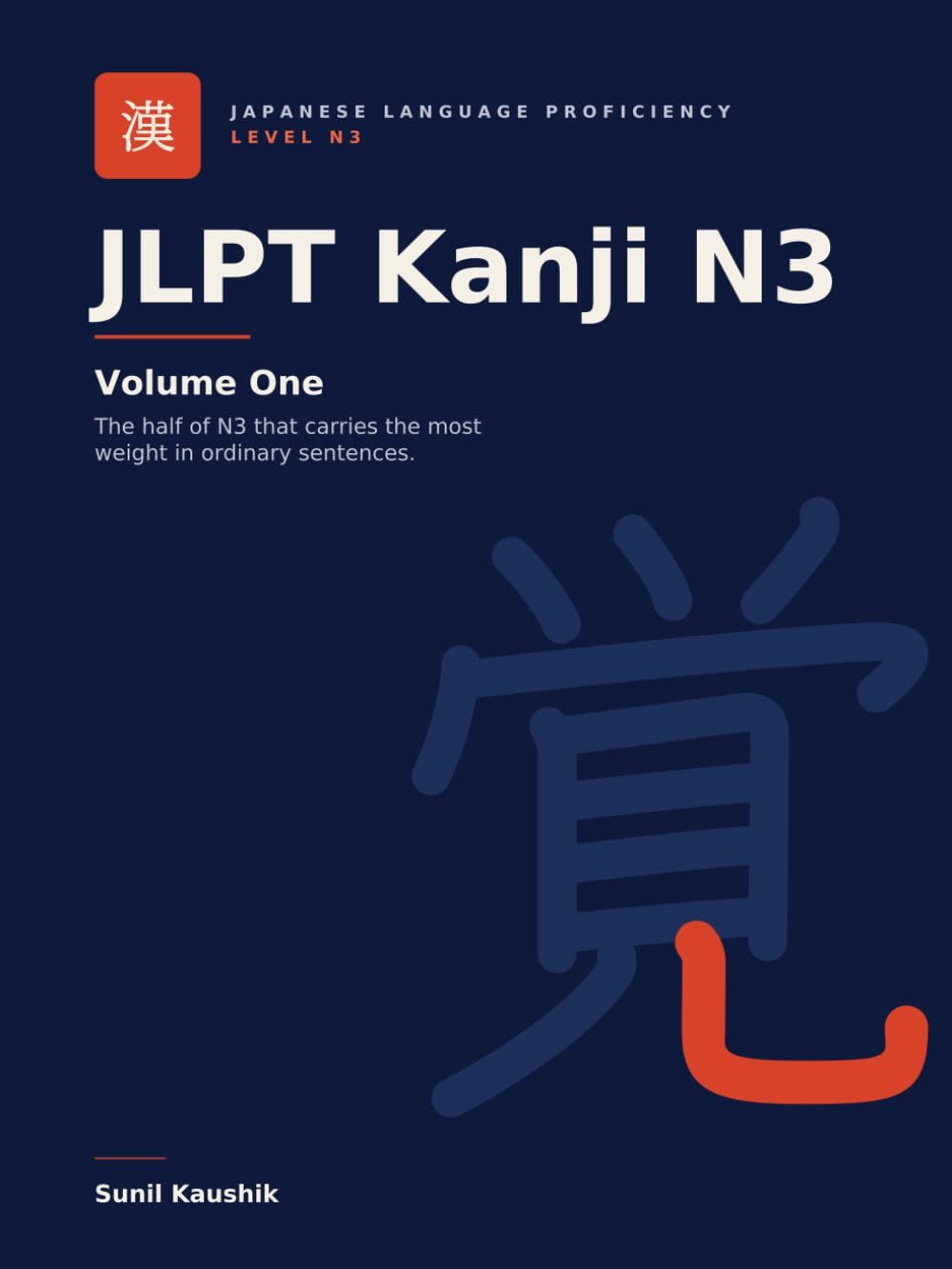
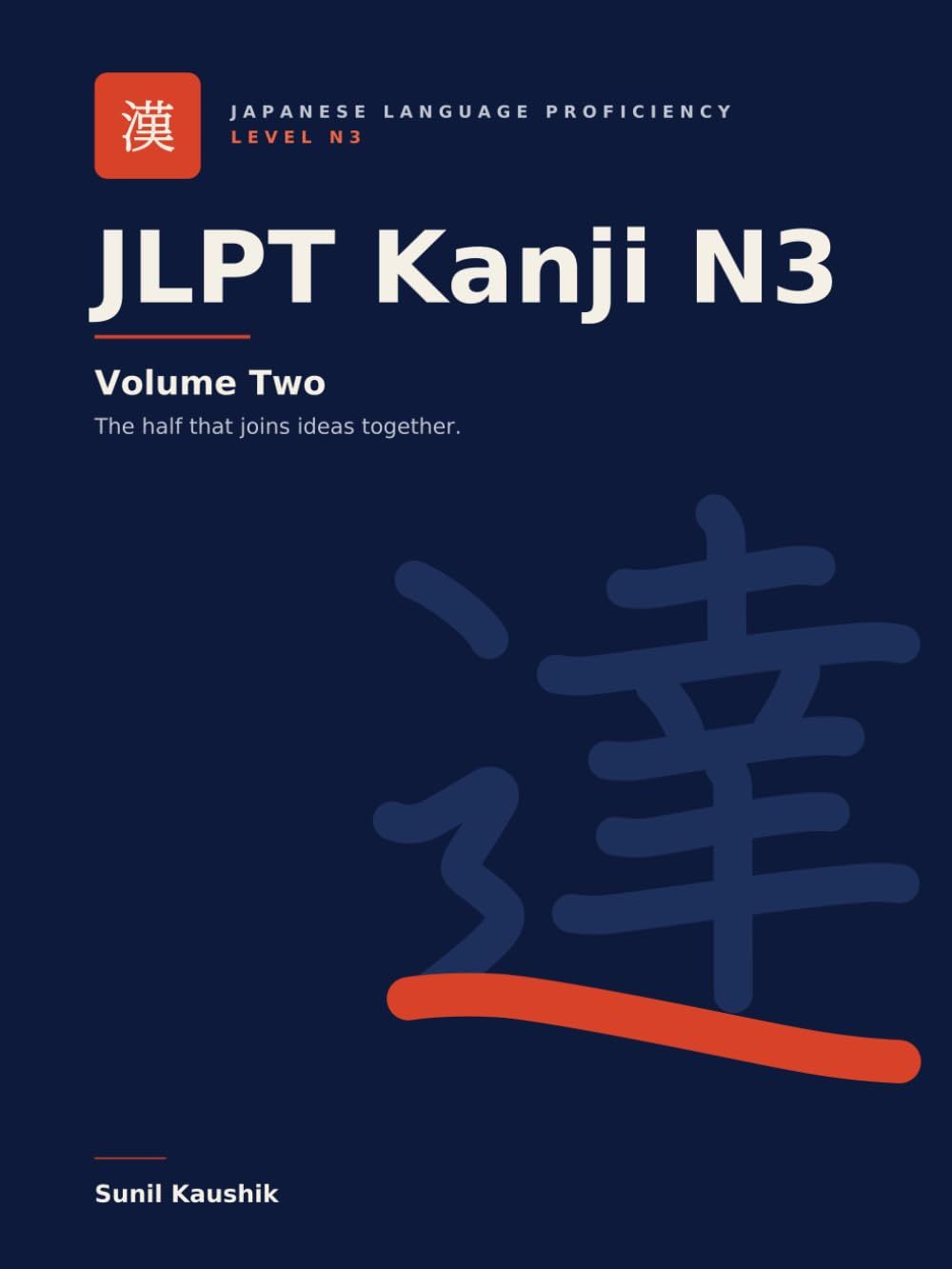
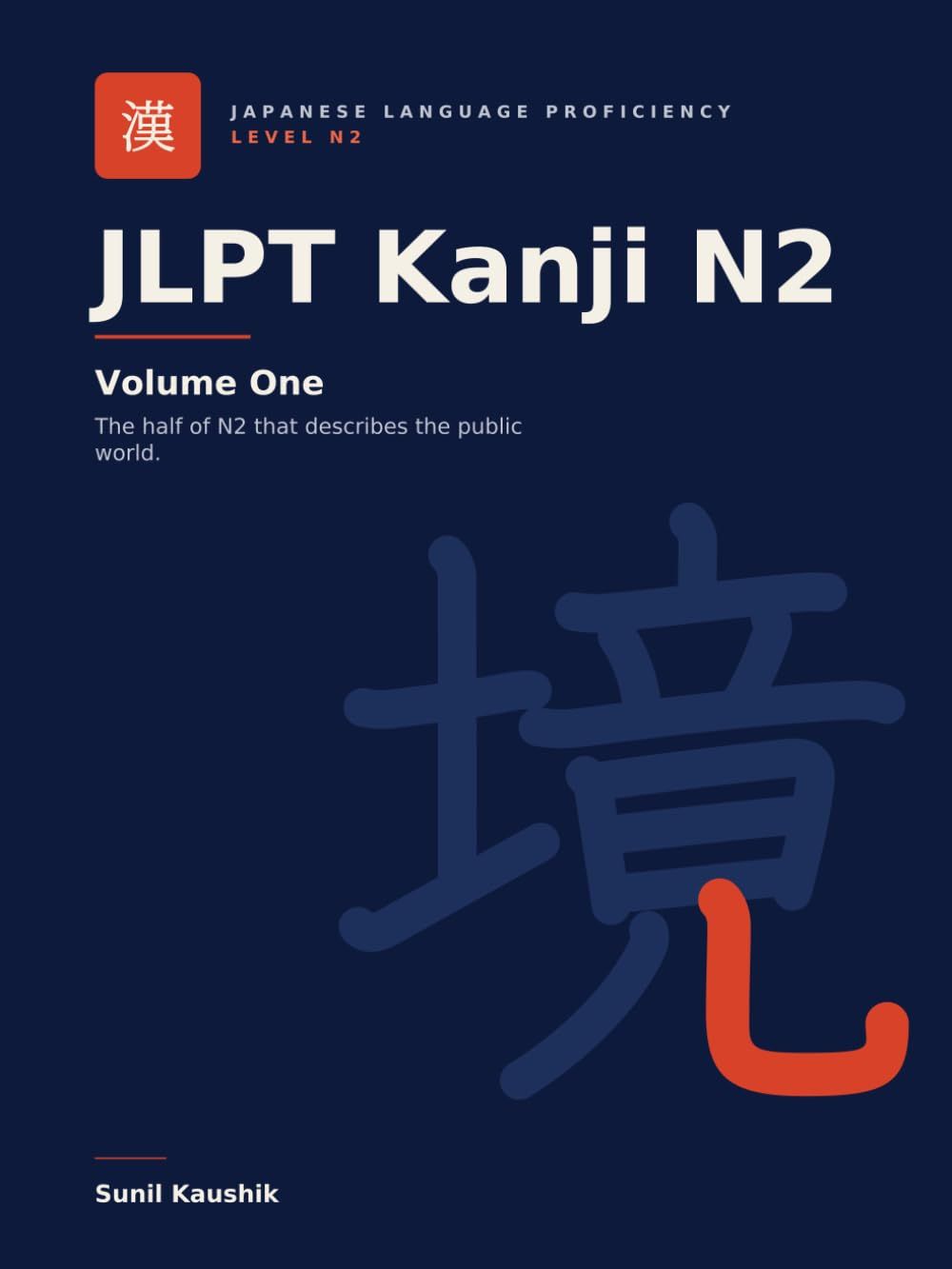
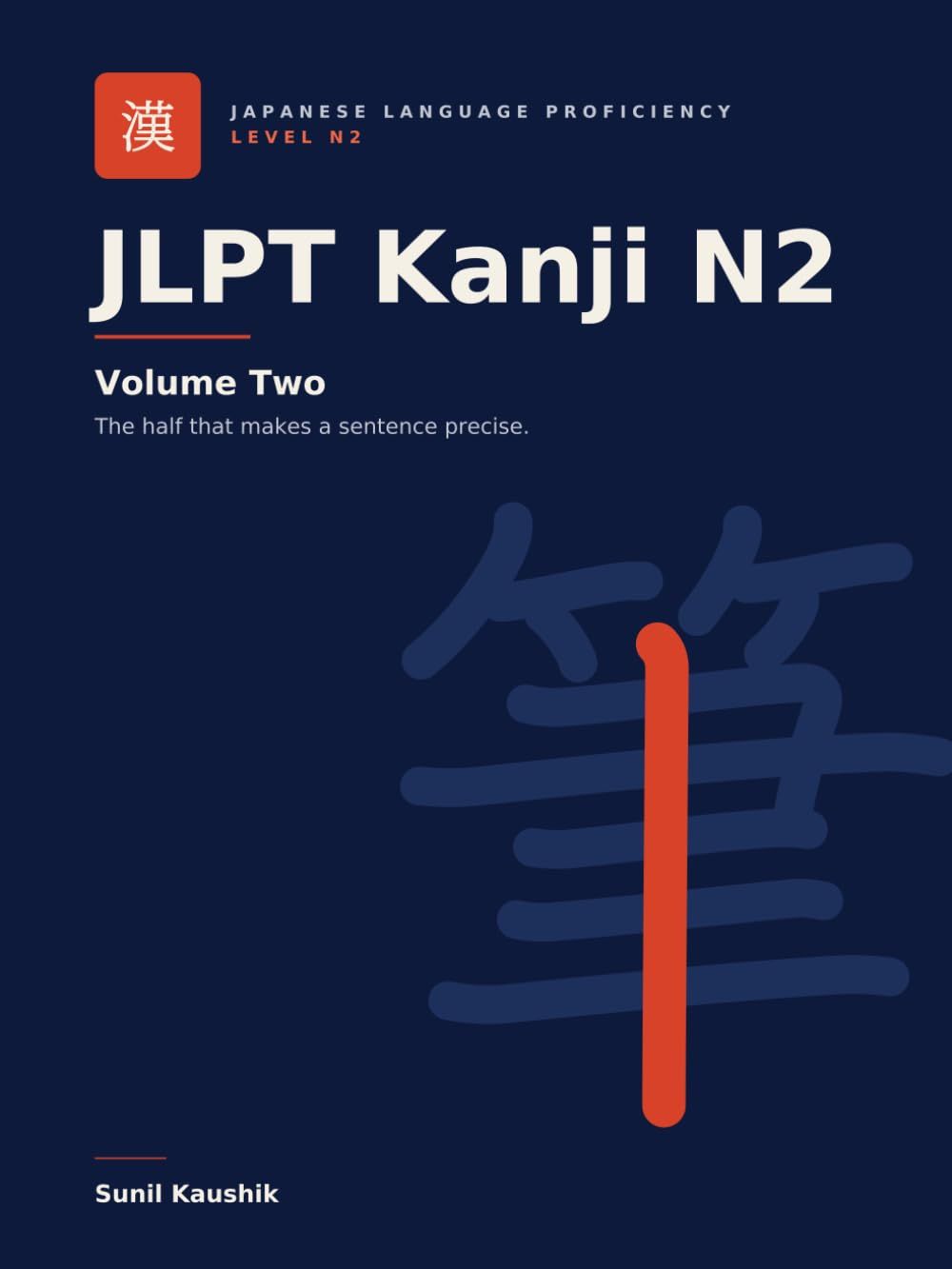
3 books
Sounds, strokes and radicals, then HSK 1 characters and grammar. Every word in Hanzi, pinyin, Devanagari and IPA, with English and Hindi meanings.
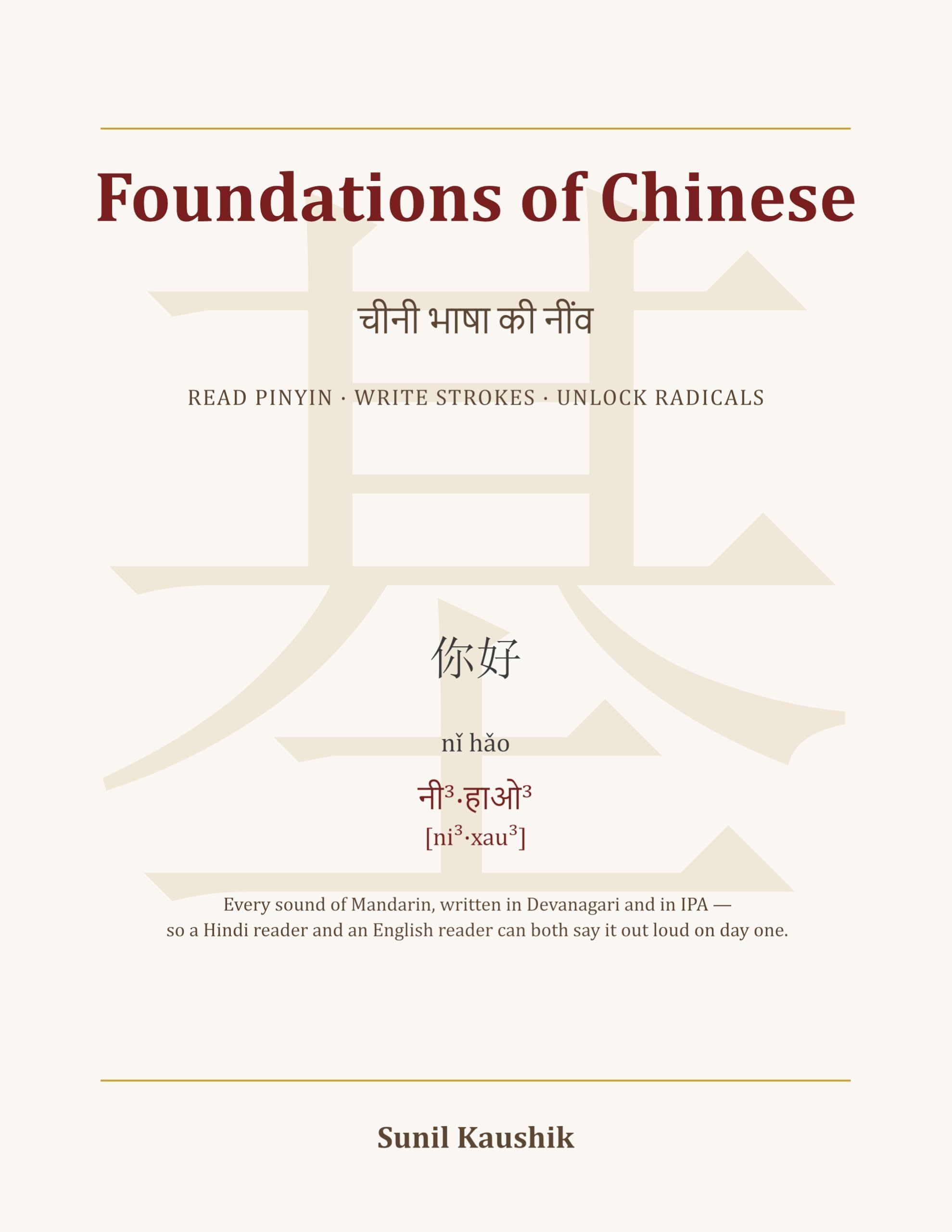
The most recent books on the shelf.
HSK 1
Chinese has very few rules. Here are all of them for HSK Level 1.
Paperback · Kindle eBook
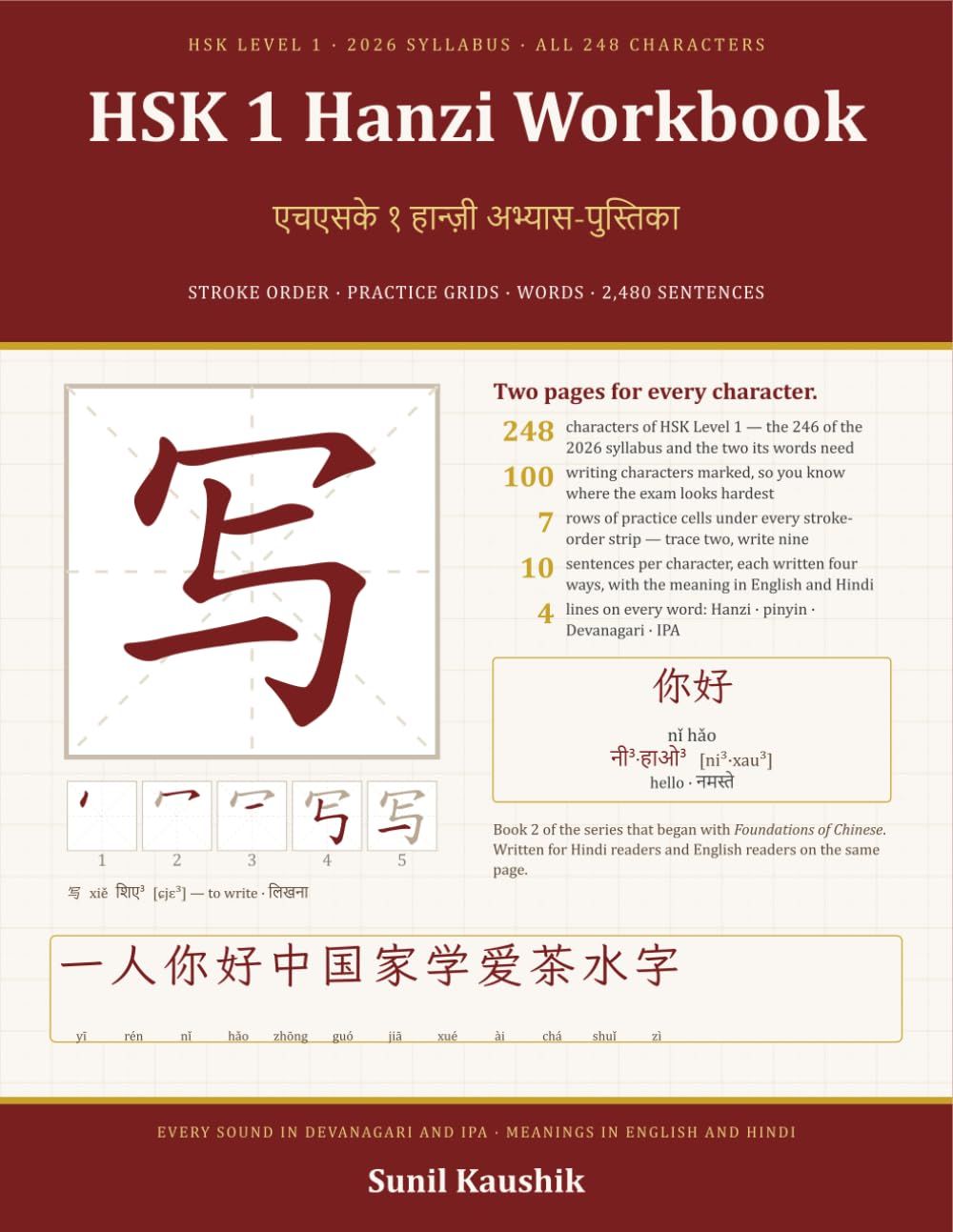
HSK 1
Two pages for every character of HSK Level 1. Your hand does the rest.
Paperback
Beginner · Pre-HSK
Chinese sounds are few. Chinese writing is built from small parts.
Paperback · Kindle eBook
Every kana, kanji and hanzi gets its own page or spread, laid out the same way every time, so you always know where to look.
Every reading comes with real words and sentences that someone might actually say — not lists to memorise.
Every drill has its answer key, close to the drill. You never have to guess whether you got it right.
Furigana and romaji for Japanese; pinyin, IPA and Devanagari for Chinese — so English and Hindi readers can both read aloud from day one.
Follow a reading order built from zero to the top exam level.
Japanese and Chinese are the first two shelves. Books for more languages of Asia will follow — this site will grow with them.
Sunil Kaushik is a linguist, interpreter and author with more than 25 years of work in languages, including translation, interpreting, and research in the intelligence and security field. He writes practical, learner-first books on the languages of Asia, starting with Japanese and Mandarin Chinese.
Sixteen books so far: Japanese Kana; JLPT Kanji Workbook (N5 & N4); JLPT Kanji N3 (2 volumes); JLPT Kanji N2 (2 volumes); JLPT Kanji N1 (7 volumes); Foundations of Chinese; HSK 1 Hanzi Workbook; and HSK 1 Grammar and Reading.
Start with Japanese Kana, which teaches all 92 hiragana and katakana. Then move to the JLPT Kanji Workbook for N5 & N4 (285 kanji), then N3, N2 and N1.
2,250 kanji in 12 volumes: 285 for N5 & N4, 367 for N3 (2 volumes), 367 for N2 (2 volumes) and 1,231 for N1 (7 volumes).
Every book is available worldwide on Amazon in paperback, and many in hardcover or Kindle.
Browse all books