Principiante · KanaJaponés
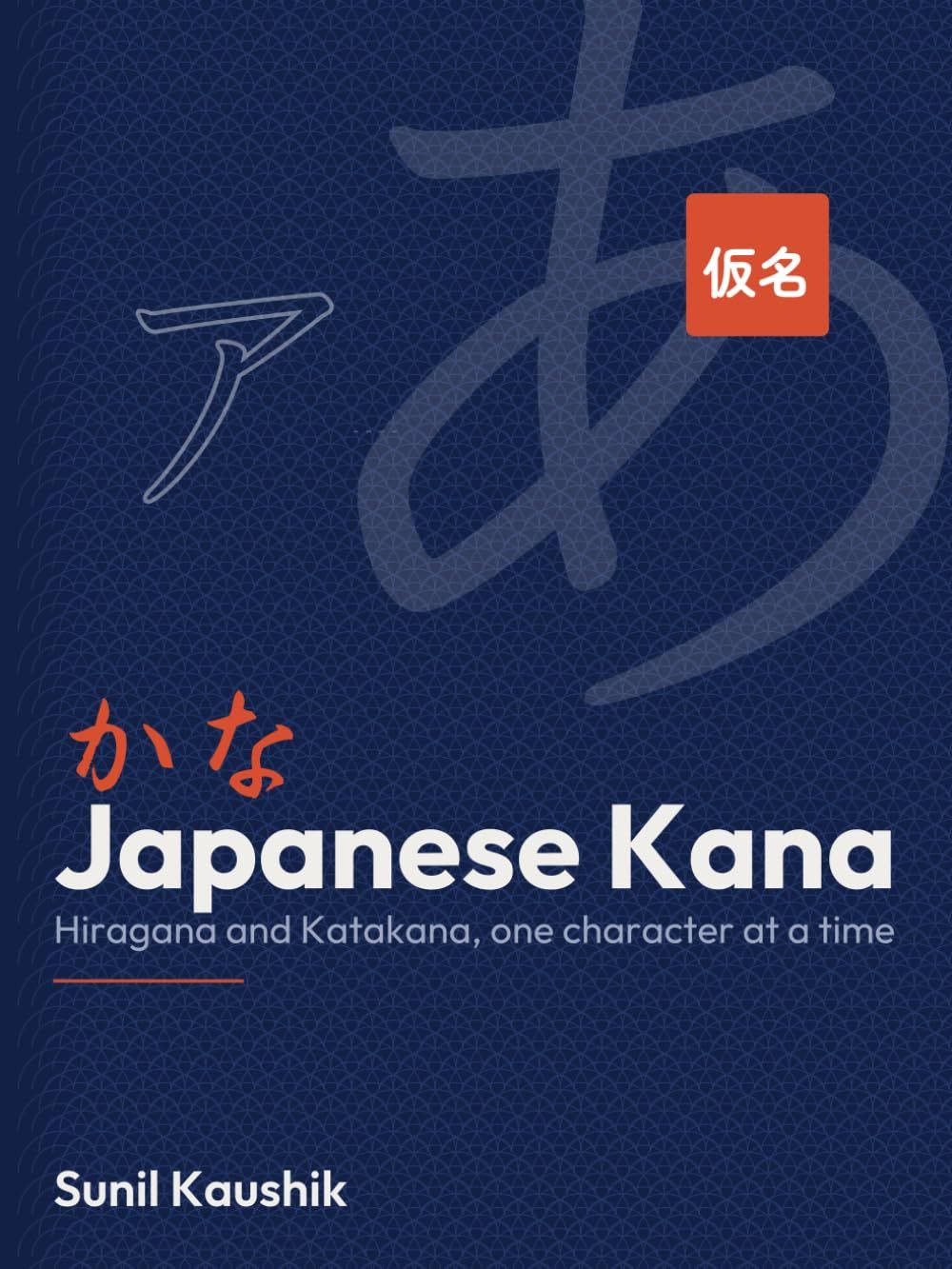
Japanese Kana
Hiragana and Katakana, One Character at a Time
“Dos silabarios. Los mismos 46 sonidos. Una página cada uno.”
En resumen
Un cuaderno completo para los 92 hiragana y katakana, una página por carácter, con orden de trazos numerado, avisos sobre caracteres parecidos, cinco palabras reales por kana y 225 préstamos en katakana rastreados hasta 13 idiomas de origen.
Comprar en Amazon
Los libros en sí están escritos en inglés.
Lo que encontrarás
- All 92 hiragana and katakana, one full page each.
- Numbered stroke order and the look-alike character it is most often confused with.
- Five real words per character, with the kana picked out inside each word.
- 225 katakana loanwords, each tagged with the language it came from (13 in all).
- Voiced sounds, small tsu and long vowels explained once, for both scripts.
- Reading and writing practice with answers at the end of each part.
Sobre este libro
La descripción completa de abajo es del propio autor, en inglés.
Two syllabaries. The same 46 sounds. One page each.
Japanese is written in hiragana and katakana, and every beginner's book gives you a chart of both and moves on. This one gives every single character a page of its own — all 92 — and then does the thing a chart cannot.
The top half of each page is the character: the shape, why it looks the way it does, numbered stroke order taken from KanjiVG, the character it is most often confused with and exactly how to tell them apart, and rows of squares to write it in until it is yours.
The bottom half is five real words that contain that character, with romaji and English, and the character picked out inside each word so your eye learns to find it. That is the skill that actually matters, and it is the one an alphabet chart never teaches.
The katakana half carries 225 borrowed words, and every one of them says where it came from — coffee from Dutch, bread from Portuguese, robot from Czech, yoghurt from Turkish. Thirteen source languages in all.
Also inside: the voiced sounds, taught once for both syllabaries; the small tsu, long vowels, and the three kana that lie about their sound; six pages on when a word is written in katakana at all; reading and writing practice with answers at the end of each part; and an index that finds any kana in one look.
Para quién es este libro
Adolescentes y adultos que empiezan japonés desde cero, y cualquiera a quien los kana nunca se le acabaron de quedar.
Más de esta serie
Japonés
JLPT N5 & N4
JLPT Kanji Workbook
Todos los kanji de los dos primeros niveles del JLPT, uno por página.
Tapa blanda · Tapa dura
JLPT N3
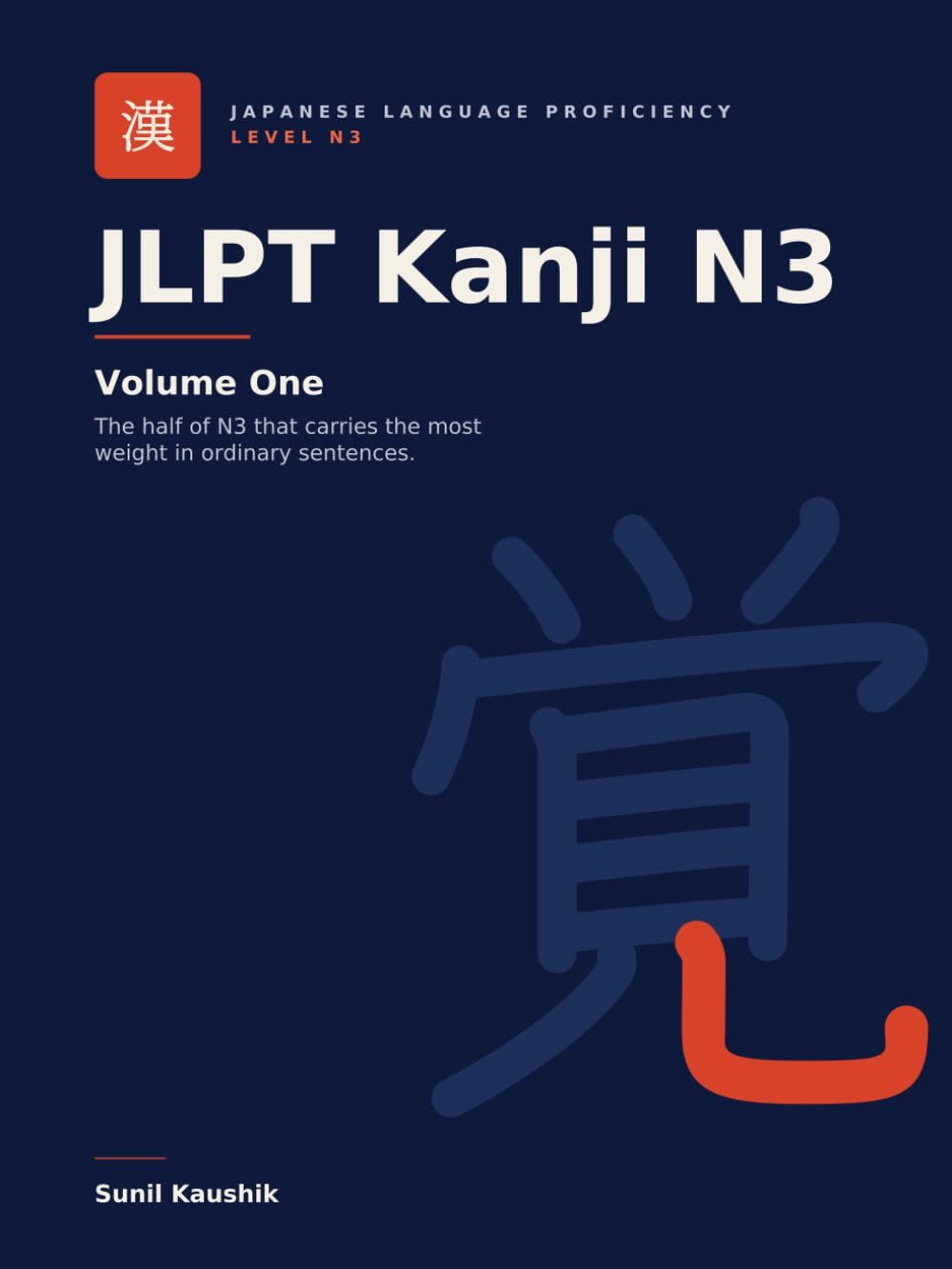
JLPT Kanji N3 · Vol. 1
La mitad de N3 que más peso tiene en las frases de todos los días.
Tapa blanda · Tapa dura